
If you're considering a hair transplant, one of the most common questions you may have is: how long will the results last? Understanding the longevity of Hair Transplant in Dubai results is crucial in setting realistic expectations and ensuring you're fully informed about the investment you're making. Hair transplants have come a long way in recent years, offering more natural, long-lasting outcomes, but the lifespan of these results depends on several factors. In this article, we’ll delve into how long you can expect your hair transplant results to last and the key elements that can influence the longevity of your new hairline.
1. The Basics: Immediate Post-Procedure Results
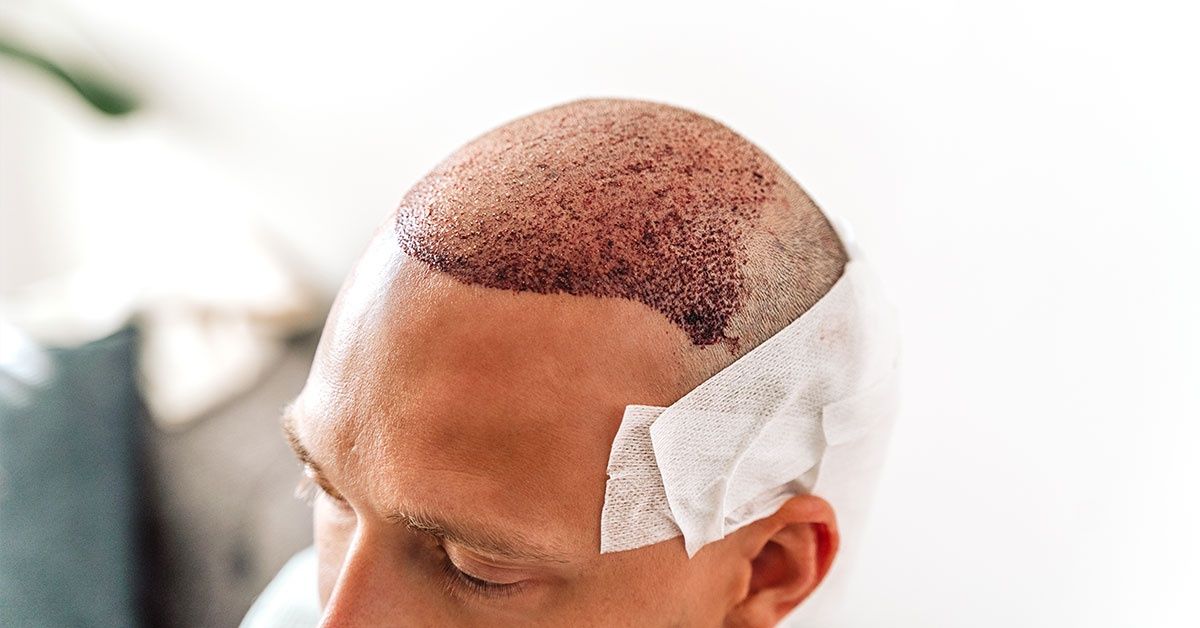
Immediately after your hair transplant, you’ll likely see some noticeable changes. However, it’s essential to understand that your transplanted hair may initially shed within the first few weeks. This is completely normal and part of the natural hair growth cycle. The transplanted hair follicles enter a shedding phase, after which new hair starts to grow in its place.
It’s important to keep in mind that visible results will typically appear around three to six months after the procedure. Full hair growth, on the other hand, may take up to a year or longer, depending on your individual hair growth rate and the method used.
2. How Long Do Hair Transplant Results Last?
The results of a hair transplant can last a lifetime, but the longevity of your results depends on several factors. Once the transplanted hair starts growing, it behaves like your natural hair, which means it will continue to grow and shed in cycles. The hair follicles used for transplantation are generally taken from areas of your scalp that are not prone to balding, such as the back or sides of your head. These areas are typically resistant to the hormones that cause hair loss, so the transplanted hair should continue to grow for many years.
That being said, there are a few factors that can influence the long-term results of your hair transplant:
3. Your Age and Hair Loss Pattern
The stage of your hair loss and your age can play a significant role in the lasting effects of your hair transplant. Younger patients, particularly those in their 20s and early 30s, may experience further hair loss over time. While the transplanted hair will typically stay in place, the surrounding natural hair might continue to thin. This could create a mismatch between the transplanted and natural hair, requiring additional treatments or transplants down the line.
On the other hand, patients who are older and have more stable hair loss patterns may experience results that last longer without the need for further intervention.
4. Post-Procedure Care and Maintenance
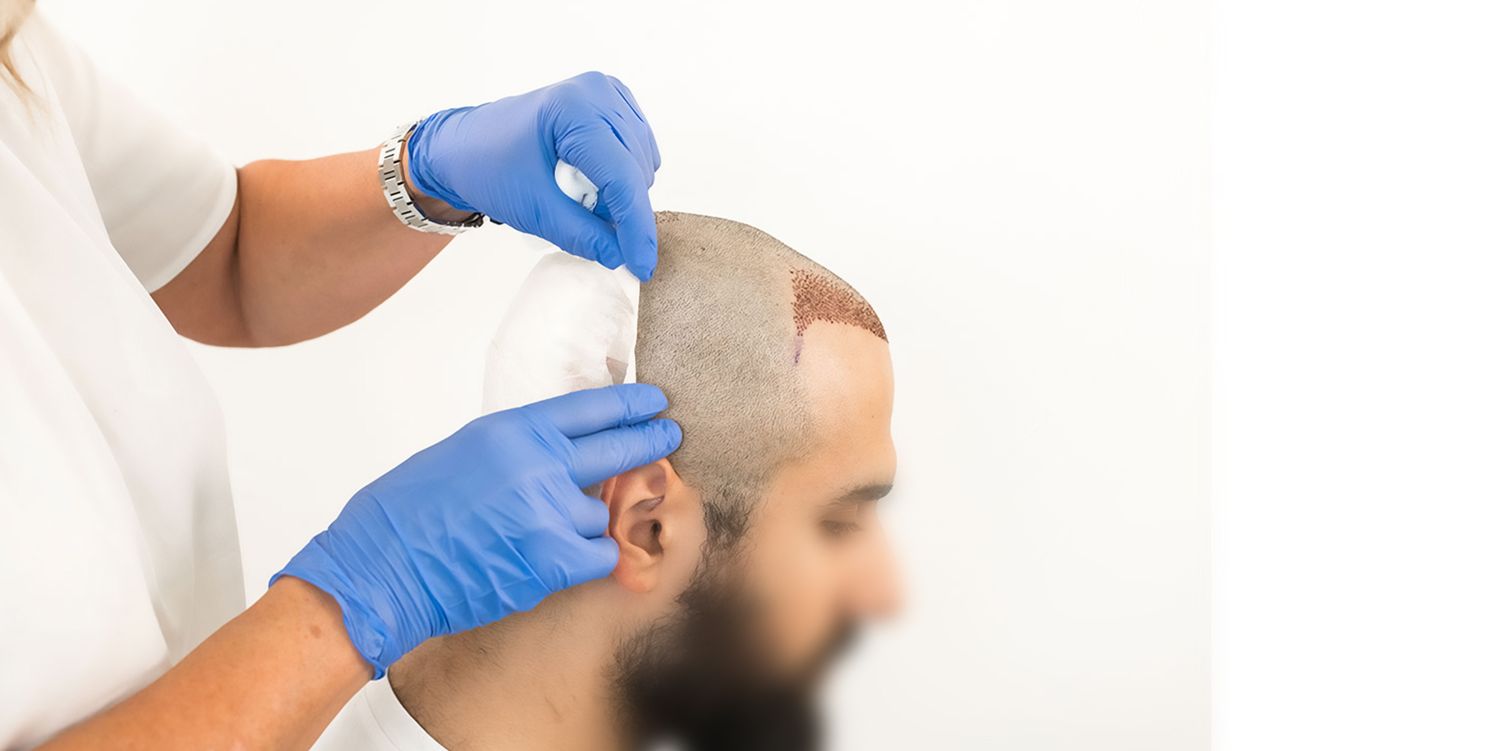
How well you follow post-procedure care instructions is crucial for the success and longevity of your hair transplant. After the procedure, you'll need to take care of your scalp and hair to promote optimal healing and hair growth. This includes avoiding strenuous physical activities, protecting your scalp from the sun, and using any prescribed medications or hair care products.
Many people also opt for hair maintenance treatments like platelet-rich plasma (PRP) therapy or medication such as minoxidil to boost the longevity of their hair transplant results. These treatments can help to preserve existing hair and promote healthy growth, potentially extending the lifespan of your transplant.
5. Quality of the Hair Transplant Procedure
The skill and experience of the professional performing your hair transplant also impact the longevity of the results. A well-executed procedure will ensure that the hair follicles are properly harvested, grafted, and placed in areas that maximize growth potential. If the hair transplant is done incorrectly, it could lead to poor results, including hair loss or unnatural-looking hairlines.
Choosing a reputable professional with experience in hair restoration is essential for achieving lasting, natural-looking results.
6. Lifestyle Factors That Affect Hair Health
Lifestyle factors, including diet, stress levels, and overall health, play a significant role in the long-term health of your hair. A balanced diet rich in vitamins and minerals, particularly those that promote hair growth like biotin, zinc, and iron, can support the growth of your transplanted hair.
Chronic stress can also contribute to hair loss, so managing stress levels through exercise, meditation, or other relaxation techniques may help preserve the health of both your transplanted and natural hair.
7. Can Hair Transplant Results Be Affected by Future Hair Loss?
While the transplanted hair itself is typically resistant to hair loss, it’s possible that the surrounding hair may continue to thin or fall out over time. If this happens, you may find that the contrast between your transplanted hair and the thinning areas becomes more noticeable. In some cases, individuals opt for additional hair transplants or non-surgical solutions to address this issue and maintain a natural, fuller look.
Conclusion
In general, a Hair Transplant Dubai provides long-lasting results that can last a lifetime. The transplanted hair grows naturally and continues to shed and regrow in cycles, just like the rest of your hair. However, the longevity of your hair transplant results can be influenced by factors such as your age, lifestyle, post-procedure care, and future hair loss. To maximize the lifespan of your results, it's essential to follow proper care guidelines, make healthy lifestyle choices, and stay proactive about maintaining your hair health.


