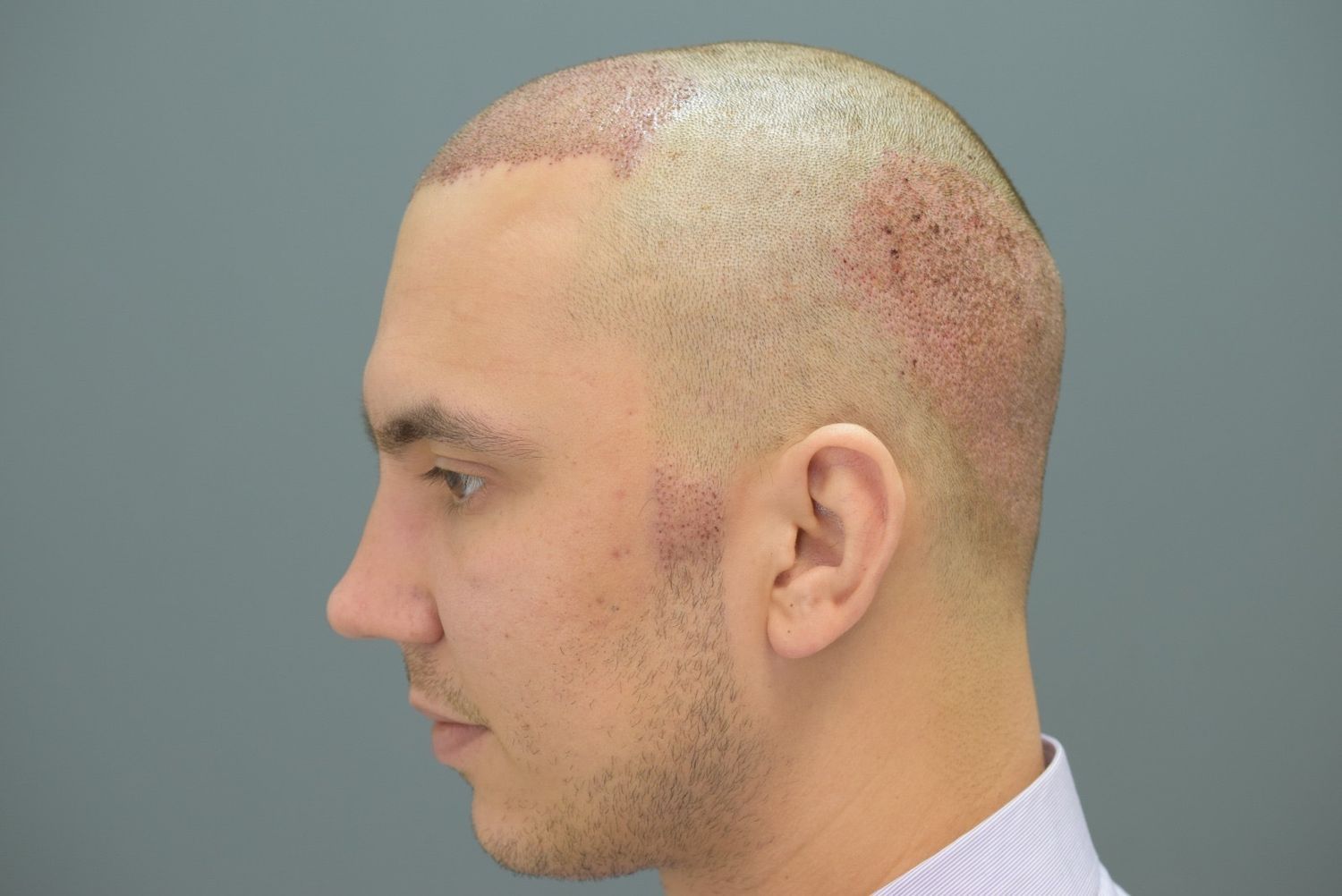
If you're considering a hair transplant in Dubai, one of the most important questions you likely have is about the safety of the procedure. Hair Transplants in Dubai have become a popular solution for people dealing with hair loss, and with the growing interest in cosmetic procedures, it's natural to wonder how safe the treatment is. The good news is that hair transplants are generally considered a safe and effective solution for hair restoration, with minimal risks when performed by experienced professionals. In this article, we'll explore the safety of hair transplants, the steps taken to ensure patient well-being, and what you can expect throughout the procedure.
What Makes Hair Transplants Safe?
Hair transplants are widely regarded as a safe procedure due to their minimally invasive nature and the advancements in modern techniques. Today’s hair transplant procedures, such as Follicular Unit Extraction (FUE) and Follicular Unit Transplantation (FUT), are designed to be as efficient and risk-free as possible, with a focus on providing natural-looking results while minimizing discomfort and recovery time. Here's why hair transplants are considered safe:
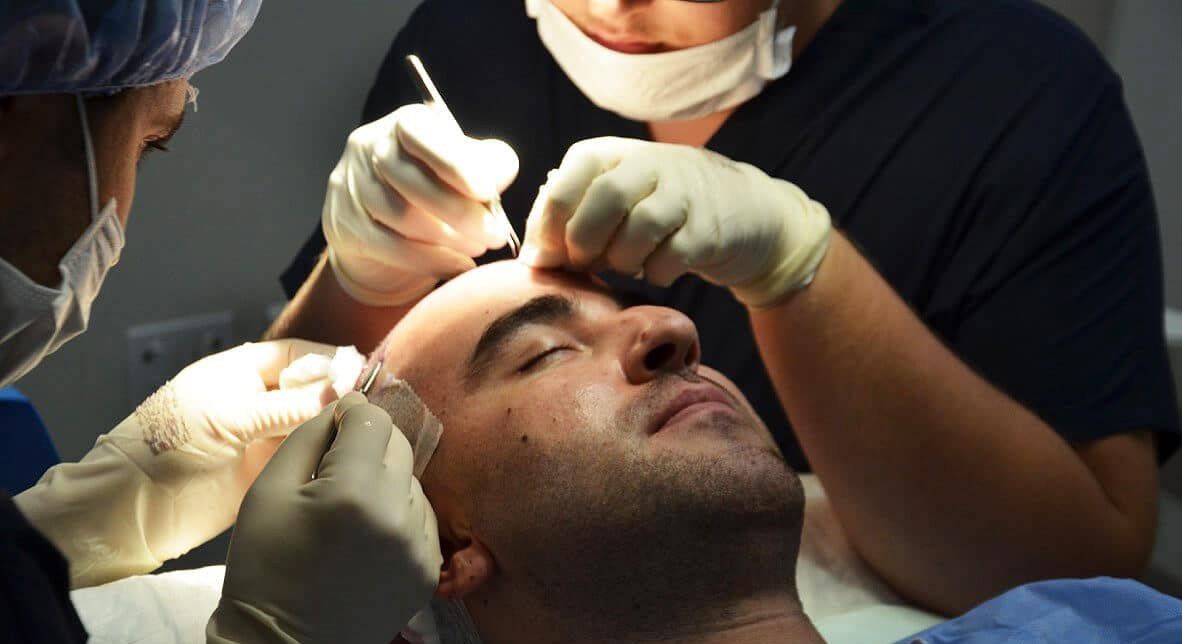
Use of Local Anesthesia: One of the key safety aspects of hair transplant surgery is that it is typically performed under local anesthesia, meaning you will be awake but unable to feel any pain during the procedure. This eliminates the risks associated with general anesthesia, such as allergic reactions or complications related to deeper sedation.
Minimally Invasive Techniques: Modern hair transplant techniques are minimally invasive, meaning they require very small incisions and leave minimal scarring. The FUE technique, for example, involves extracting individual hair follicles and transplanting them into thinning or balding areas without the need for large incisions. This leads to a quicker recovery and a lower risk of infection or complications.
Donor Hair is Your Own: One of the reasons hair transplants are so safe is that the hair follicles used for the transplant come from your own scalp. Since there’s no need for foreign materials or synthetic implants, the risk of rejection is virtually nonexistent. This significantly reduces the chances of complications or adverse reactions, making the procedure more reliable and predictable.
Understanding the Risks Involved
While hair transplants are generally safe, as with any surgical procedure, there are some risks involved. However, these risks are typically minor and temporary if proper care is taken. Here are a few potential risks:
Infection: Although infections are rare, they can occur in any surgical procedure. To minimize this risk, it’s essential to follow the aftercare instructions provided by your specialist, including keeping the treated area clean and avoiding touching the transplanted site.
Swelling and Bruising: Some swelling and bruising around the forehead and eyes are common after a hair transplant. This is typically temporary and should subside within a few days to a week.
Scarring: While modern techniques like FUE are designed to minimize scarring, small marks may appear in the donor area where hair follicles were extracted. However, these scars are usually very subtle and can be easily hidden by your natural hair.
Shock Loss: After the procedure, you may experience a temporary shedding of your natural hair around the transplant area, known as “shock loss.” This is a normal part of the process, and the hair will typically grow back after a few months.
Poor Hair Growth: In rare cases, the transplanted hair may not grow as expected. This can be due to various factors, including poor health, smoking, or insufficient donor hair. However, these occurrences are uncommon, and most patients see positive results.
How Is Your Safety Ensured During the Procedure?
To ensure that the procedure is as safe as possible, experienced professionals take several precautions before, during, and after the hair transplant. Here's how safety is prioritized:
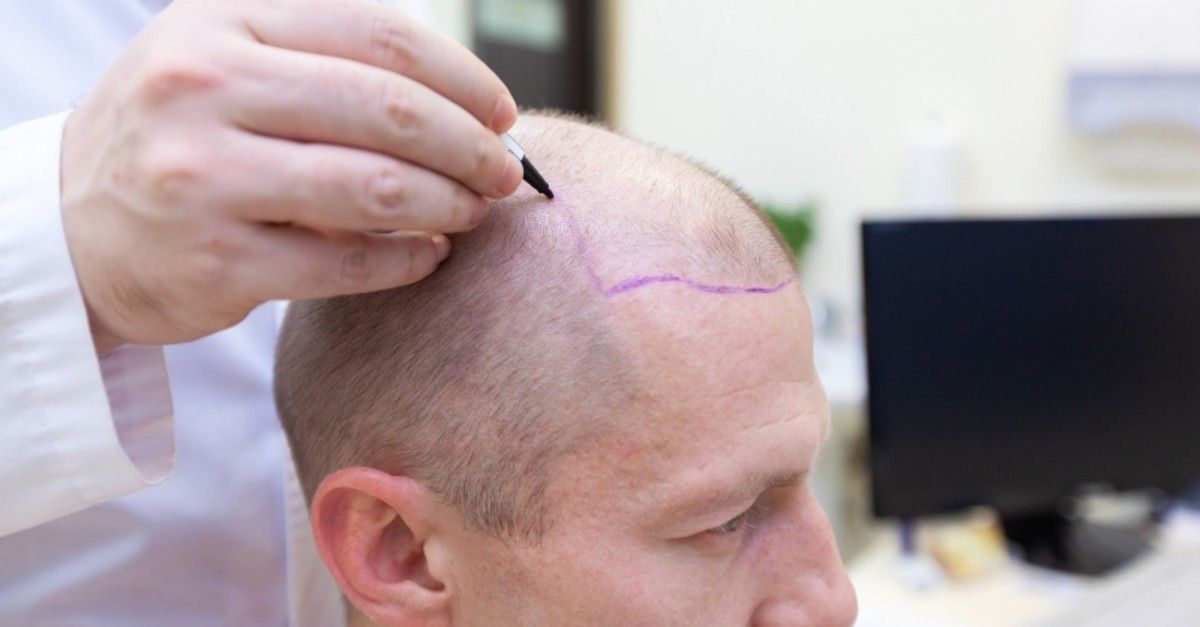
Pre-Procedure Consultation: Before undergoing a hair transplant, a thorough consultation is conducted to assess your suitability for the procedure. During this time, your medical history, hair loss patterns, and goals are discussed. This ensures that the procedure is appropriate for your individual needs and helps to minimize any potential risks.
Sterile Environment: Hair transplant procedures are performed in sterile environments to reduce the risk of infection. The tools used for the procedure are carefully sanitized, and precautions are taken to maintain cleanliness throughout the entire process.
Experienced Team: Hair transplants are typically performed by a skilled team with years of experience in hair restoration procedures. An experienced professional ensures that the procedure is done correctly, minimizing the risk of complications and achieving the best possible results.
Post-Procedure Monitoring and Care: After the transplant, you will be closely monitored to ensure your recovery is proceeding smoothly. The specialist will provide you with detailed aftercare instructions, which may include guidelines for washing your hair, avoiding certain activities, and using prescribed medications if necessary. These precautions help to minimize risks and ensure optimal healing.
What Are the Long-Term Safety Considerations?
Once the Hair Transplant Dubai procedure is complete and the initial recovery phase has passed, most patients experience long-term satisfaction with minimal risks. The transplanted hair is your own, meaning it will continue to grow naturally, and the results can be permanent. However, it’s important to remember that hair loss can still occur in other areas of the scalp over time due to aging or underlying genetic factors. Some individuals may choose to undergo additional transplants down the road to maintain a fuller look.
Living a healthy lifestyle, avoiding smoking, and following your specialist's advice can help maximize the longevity and safety of your hair transplant results. It’s also important to attend follow-up appointments as recommended to ensure everything is healing properly.
Conclusion
Hair transplant procedures are generally very safe, especially when performed by experienced professionals in a controlled and sterile environment. The use of advanced techniques, such as FUE and FUT, along with local anesthesia and minimal incisions, ensures that the process is both effective and low-risk. While there are minor risks associated with the procedure, they are rare and typically manageable with proper care. If you’re considering a hair transplant, knowing the safety measures in place and understanding the risks involved can help you make an informed decision about your hair restoration journey. With proper planning and care, a hair transplant in Dubai can offer you a safe and effective solution for hair loss, leaving you with natural-looking results that you can enjoy for years to come.


